
If you are asking how much does mold remediation cost, you probably need a number for a reason, not for curiosity. Maybe your insurance adjuster wants one. Maybe your lender does. And sometimes you are standing inside a building you do not even own yet, watching a contingency clock tick down, trying to decide if the place is a smart buy or a money pit with a fungus problem.
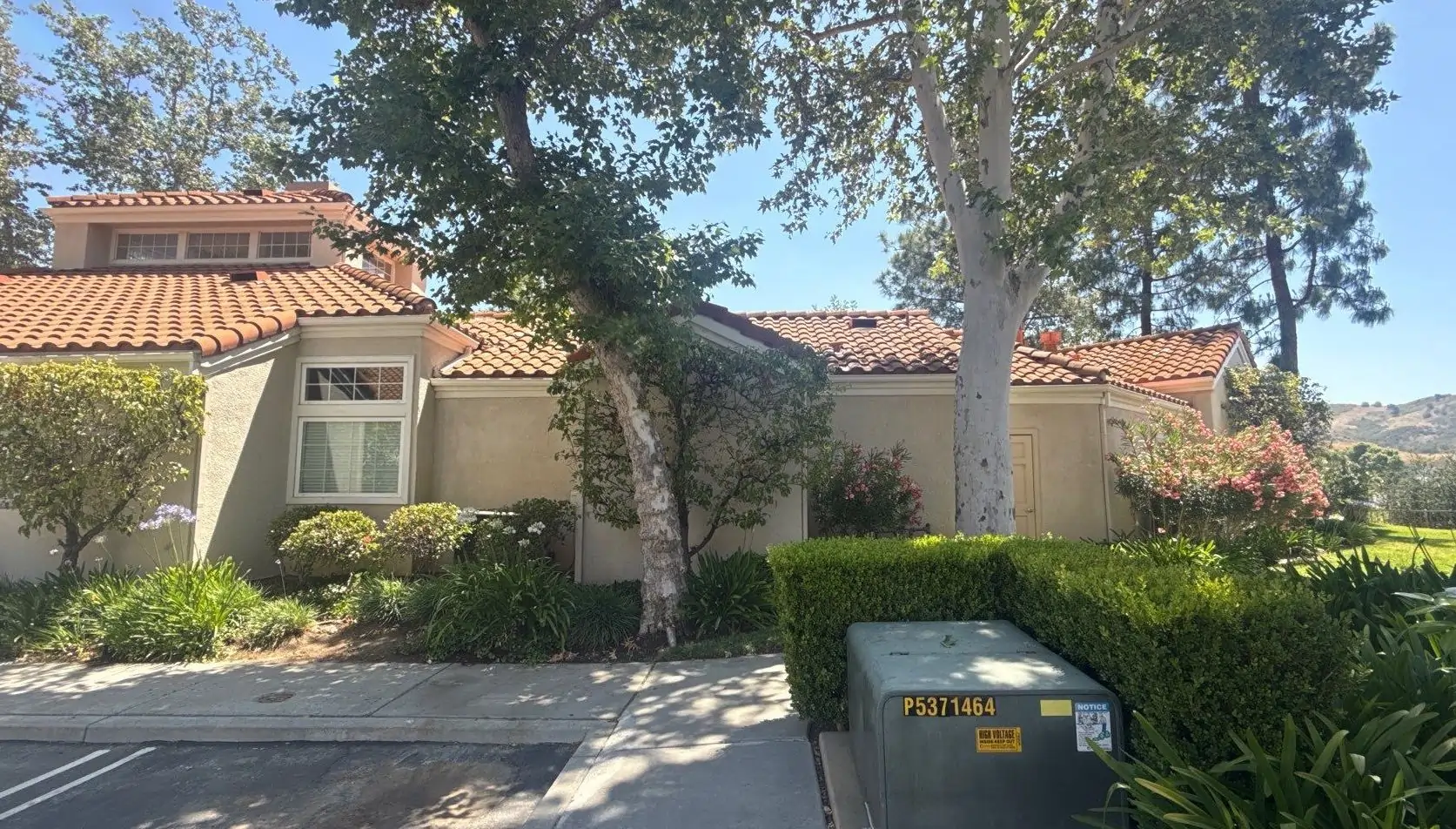
We had exactly that situation recently. A Santa Paula commercial-building buyer called us while still in escrow. The building had a long, documented history of water leaks, and a mold inspection had already confirmed it would need real mold remediation, not a quick wipe-down. The buyer did not need reassurance. They needed a real remediation estimate before their contingency period closed, so they could either move forward, walk, or go back to the seller and renegotiate with facts in hand.
Why How Much Mold Remediation Costs Depends on More Than Square Footage
Here is the part nobody selling you a quick quote wants to say out loud. There is no flat rate for mold. Anyone who gives you a firm price over the phone without looking is guessing, and guesses have a way of growing once the drywall comes off.
The price is driven by a handful of real things:
- How much area is affected. A closet is not a warehouse. Bigger footprint, bigger bill.
- Where the mold is hiding. Surface mold on a wall is one job. Mold behind cabinets, inside wall cavities, under flooring, or up in the HVAC (Heating, Ventilation, and Air Conditioning) is another animal entirely.
- What caused it, and whether that cause is still active. Mold is a symptom. If a pipe or a roof is still leaking, remediation without fixing the source is just expensive redecorating. This is why fixing water damage and mold work so often go together.
- The type of material involved. Porous stuff like drywall, carpet, and insulation usually gets removed. Non-porous surfaces can often be cleaned and saved.
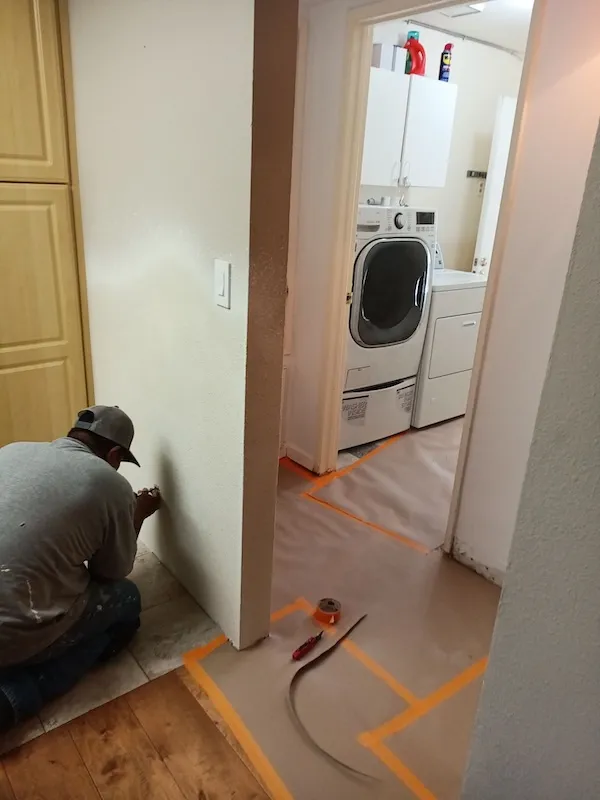
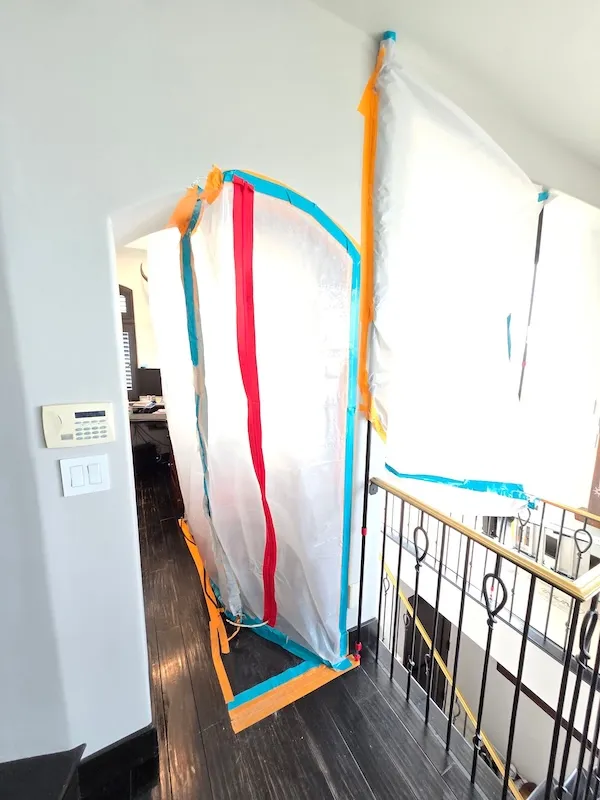
- Containment and air scrubbing. Keeping spores from spreading to clean parts of a building takes barriers, negative air, and filtration. That equipment and labor is real money, and skipping it is how a small problem becomes a whole-building problem.
- Contents. Furniture, inventory, documents, and equipment may need content cleaning on top of the structural work.
For the Santa Paula job, the leak history was the whole story. A building that has leaked repeatedly over years is not going to have one tidy patch of mold. That is why our assessment ran to roughly 889 photos. When you are handing a buyer a number they will bet a purchase decision on, you document everything, not the three spots that are easy to reach.
How Much Does Mold Remediation Cost in 2025 and 2026? The General Ranges
Let me give you the industry numbers, and then a warning about how to use them.
Across national cost guides for 2025 and 2026, homeowners commonly land somewhere around $1,100 to $3,500 for a typical mold remediation, with the broad national average often cited near $2,200 to $2,500. Small, contained jobs can come in under $1,500. Severe or whole-building problems, the kind involving structural materials or HVAC systems, regularly run $10,000 to $30,000 or more. Priced by area, you will see figures like $10 to $25 per square foot for remediation work.
Now the warning. Those are general figures for residential-scale work, and your building is not an average. Commercial structures, older buildings, and anything with a documented leak history tend to sit at the higher end or above it, because the problem has had time to spread and the square footage is larger. That pattern is exactly what our mold remediation in Ventura crews run into on older commercial buildings. Do not take the national average and assume it is your number. It is a starting point for a conversation, not a quote.
Why a Lowball Quote Will Cost You More
When you are under a deadline, the cheapest bid looks like a gift. It usually is not.
A suspiciously low quote almost always means one of a few things.
- They never opened up the walls. The contractor is pricing only what they can see, so the number climbs the moment the drywall comes off and the real damage shows up.
- They cut containment and air filtration. Leaving out barriers and negative air shaves the total on paper, but it risks pushing spores through the rest of the building and turning one room into every room.
- They are ignoring the water source. If nobody addresses the leak that started this, you will be paying us, or somebody, to do the whole job again next year.
We would rather lose a bid than write one we know is fiction. A number that goes up three times mid-project does not help a buyer make an escrow decision. It blows the decision up.
How to Read a Mold Remediation Estimate
A good estimate should be boring in the best way. You want to see it broken out, not summarized into one mystery figure. A written estimate worth trusting should spell out the following.
- The affected areas, clearly identified. Every room and cavity in the scope should be named, so you know what the crew actually looked at and what they left out.
The containment and air-filtration plan. You want the barriers, negative air, and HEPA (High-Efficiency Particulate Air) filtration written down, not assumed. - What gets removed versus cleaned. Porous materials that are coming out should be listed separately from non-porous surfaces that will be cleaned and saved.
- How the water source is handled. The estimate should say whether the water damage restoration is being done in-house or referred out, because remediation without fixing the leak is temporary.
- Whether post-remediation verification testing is included. Clearance testing is how you prove the job worked, so confirm it is in the price rather than an extra later.
If a line item is vague, ask. A crew that documents its work, the way we shot those 889 photos, should be able to show you exactly why each dollar is there.
For a buyer still in escrow, that written breakdown is leverage. You can hand it to a seller and say, here is what this actually costs, so here is what we should do about the price.
FAQ (Frequently Asked Questions)
Does insurance cover mold remediation? Sometimes, if the mold traces back to a sudden covered event like a burst pipe. Long-term leaks and neglected maintenance are usually excluded. If you are buying, this is almost always out of pocket or part of your negotiation with the seller.
Can I get a mold estimate while I am still in escrow? Yes, and you should. We work with buyers and their agents around real deadlines, exactly like the Santa Paula assessment. A written estimate before your contingency ends is how you make a smart call instead of a hopeful one.
Do I have to do the remediation before I buy? No. You need the number before you decide. What you do with it, buy, walk, or renegotiate, is your call.
Get a Real Number Before the Clock Runs Out
Share
Lorem ipsum dolor sit amet, consectetur adipiscing elit. Ut elit tellus, luctus nec ullamcorper mattis, pulvinar dapibus leo.