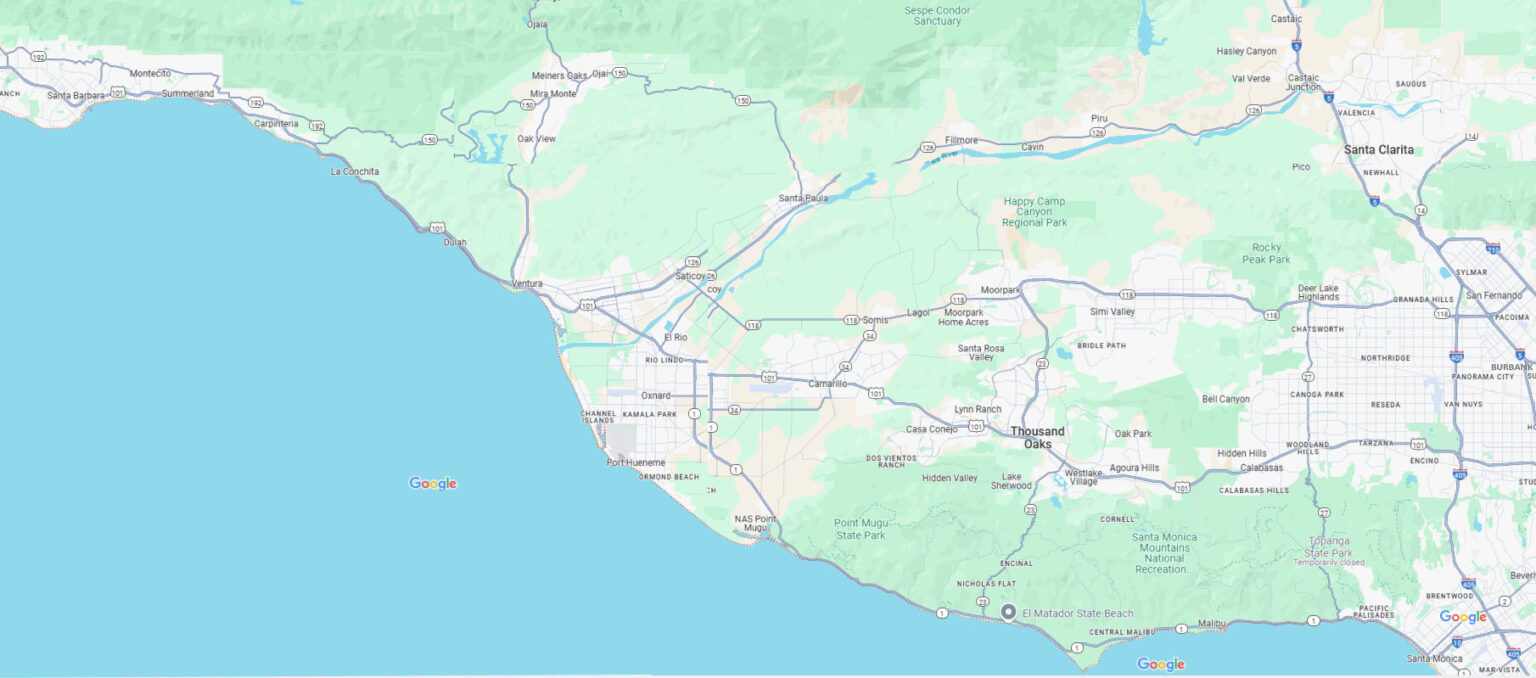
Thousand Oaks is known for its canyons, oak trees, hillside homes, and quiet neighborhoods — but those same conditions create hidden structural risks most homeowners don’t notice until the damage is already inside the walls. Ground movement shifts aging framing. High heat dries out older materials. Sudden rainstorms push water into crawlspaces and wall cavities. When walls, floors, or ceilings begin to fail, the problem spreads through insulation, framing, and adjacent rooms fast.
That’s why homeowners choose us when structural issues first appear. You don’t just need debris removed, you need a licensed, bonded, and insured demolition team that understands local soil conditions, hillside construction, older home layouts, and how to contain damage before it spreads further.
Our certified structural response includes:

We don’t remove materials blindly, every section is tested, logged, documented, and removed with precision so the structure is safe, stable, and ready for proper rebuild.
The area has a mix of hills, older neighborhoods, and dense tree coverage that creates demolition complications most people don’t realize until structural failure is already happening inside the home.
These issues aren’t minor annoyances, they spread fast. Structural decay, mold, impact damage, and concealed moisture move into insulation, drywall, and interior cavities. That’s why certified demolition, proper sealing, and full documentation are essential to restore long-term safety and prevent repeated failures.
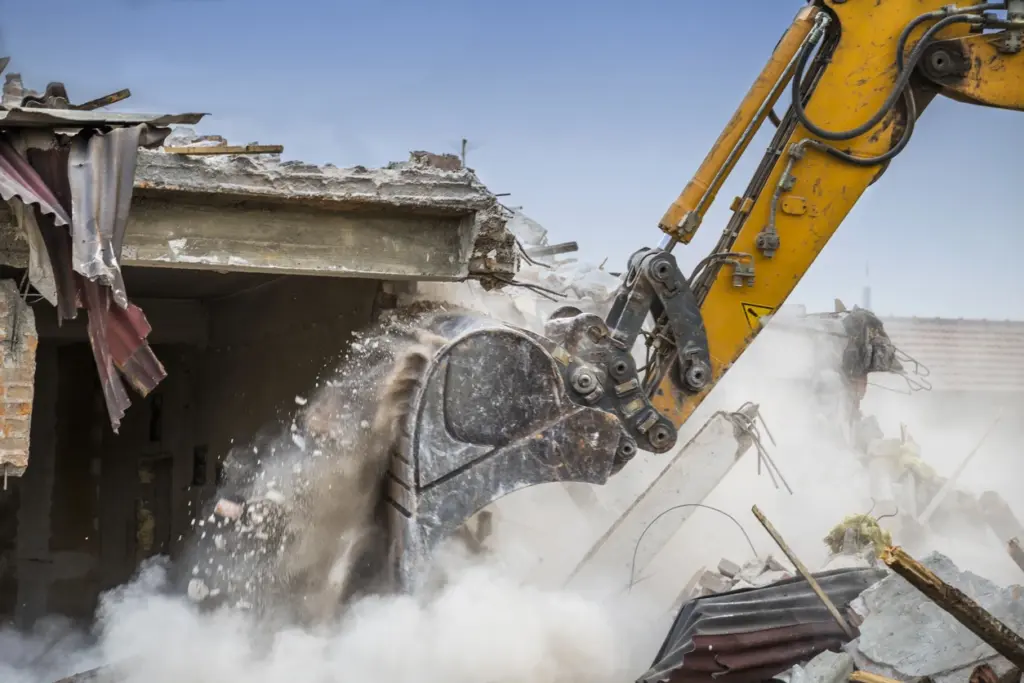
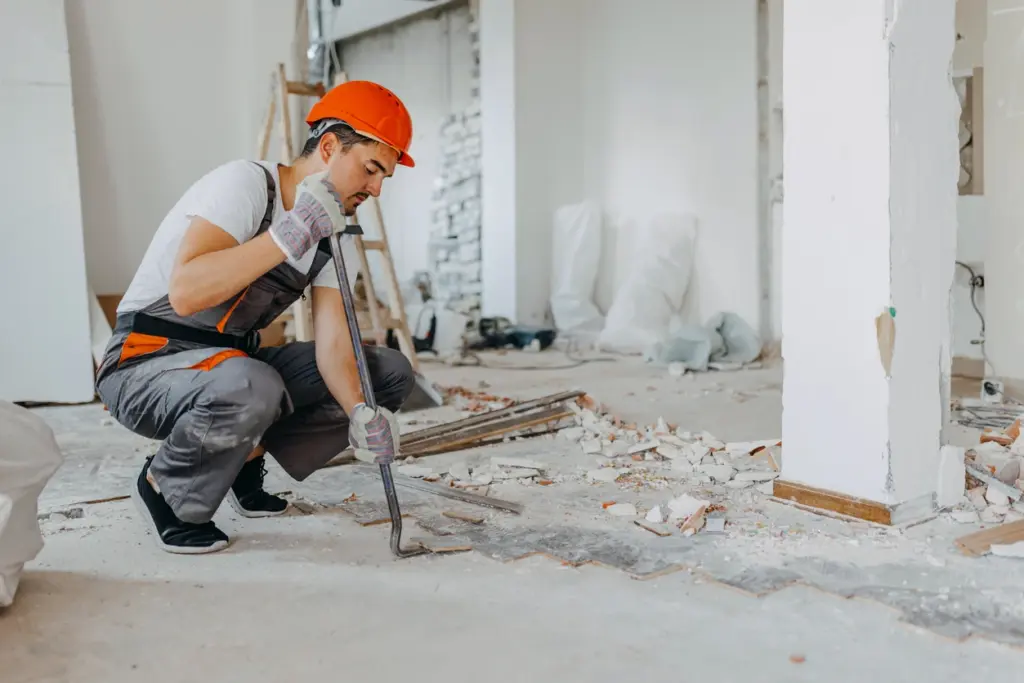
You usually need professional tear-out when materials are too compromised to hold new construction safely. Soft framing, collapsing drywall, deep moisture inside walls, or smoke-damaged interiors often require controlled removal rather than surface fixes. A trained crew identifies what can be saved and what must be cleared to make the structure safe again.
Selective work allows only the unsafe areas to be opened up, such as sections of walls, flooring, ceilings, or damaged sub-layers—while untouched rooms stay protected. Barriers, air control, and precise cut-lines ensure only the compromised sections are removed. Local teams use containment to keep the rest of the home clean and secure.
Most projects take one to three days depending on how deep the damage runs, the size of the affected rooms, and how easily debris can be transported off the property. Older hillside properties sometimes take longer due to tighter access and heavier framing. Crews offering base timelines on real on-site conditions, not generic estimates.
Not when done correctly. Certified teams use zipper-sealed barriers, negative-pressure machines, and controlled debris handling so that clean areas stay untouched. HVAC vents are protected, air is filtered, and pathways are isolated.
Pricing depends on square footage, material type, safety requirements, and whether moisture, smoke, or structural issues are involved. Homes with older construction or tight terrain sometimes require extra precautions.
Yes, when the damage comes from water intrusion, storms, structural failure, or any sudden event outside the homeowner’s control. Coverage often includes removal, drying, and disposal, but documentation must prove everything was necessary. Teams experienced in demolition services Thousand Oaks prepare moisture readings, photos, reports, and logs that strengthen denied or reduced claims.
Once the unsafe sections are cleared, crews clean, dry, sanitize, and prepare the space for rebuilding. This step ensures no hidden moisture, mold, or compromised framing is left behind. Contractors who provide demolition services Thousand Oaks leave the structure stabilized and ready for a clean rebuild without surprises later.
The area has a blend of canyon terrain, older neighborhoods, and tightly planned suburban developments that create structural stress most homeowners don’t see until a failure shows up inside the home. These conditions also explain why requests for demolition services Thousand Oaks often start with what looks like a small issue but turns out to be a deeper structural weakness.
Aging Underground Infrastructure
Many older streets still rely on decades-old clay sewer lines. When they shift or collapse, the soil above them moves, pushing that pressure into slabs, footings, and framing. Even small movements transfer upward and can open gaps inside the roofing system or exterior walls.
Canyon Tree Root Pressure
Large, mature trees running along canyon edges push roots deep through soil and toward nearby homes. As the roots expand, they lift soil and stress exterior structures. That movement creates slow-developing cracks that spread until water finally enters during the next rain.
Inland Heat Stress
The area experiences sharp summer heat spikes that dry out roofing adhesives, soften underlayment, and warp older plywood. Once those materials lose flexibility, even mild winds can cause tiles, shingles, and ridge caps to loosen or separate.
Dense Housing Layouts
Townhomes, condos, and multifamily properties share rooflines and connected structural cavities. A failure in one unit, whether from a leak, aging materials, or structural settling—can easily spread moisture or mold into the next unit. That’s why localized problems often expand faster here than in stand-alone homes.
Rodent Intrusion in Rural Border Areas
Neighborhoods near ranchland or open space experience heavy rodent activity. Nesting inside attics weakens insulation, displaces underlayment, and chews through vapor barriers. Over time, these hidden intrusions create moisture pathways that homeowners don’t spot until damage has already spread.
Posted onTrustindex verifies that the original source of the review is Google. I was sound asleep when a stolen car driven by teens crashed through my back fence in the middle of the night. I was totally unprepared for what I needed to do next so I called Total Restoration, which turned out to be the best move that I could have made. I highly recommend them should you have a situation that requires an Emergency Service company.They truly are a 24/7 company and were willing to come out during the middle of the night to perform an emergency board up. The (crew consisting of 1 Supervisor and an additional employee) arrived within 40 minutes of my call. They immediately began to clean up and board up my property, from that initial contact on, Total Restoration helped to walk me though the process of dealing with my insurance co and restoring my property to its original condition. They always arrived to work when they said that they would and before they left for the day they always let me know what would happen next and when they would be back. Everyone I had contact with from the front office all the way down to the field personnel were friendly, polite and knowledgeable about what need to happen and when. It was a pleasure to work with them and they definitely took a lot of stress off me as they totally guided me through the entire rebuild process. They are a fantastic company to work with!Posted onTrustindex verifies that the original source of the review is Google. These guys did smoke remediation on our house in the Palisades. They did a great job walking us through the process and were very fast in getting us a quote and starting the job. Very appreciative of them.Posted onTrustindex verifies that the original source of the review is Google. Absolutely a great company to work with. Excellent work Excellent staff Very professionalPosted onTrustindex verifies that the original source of the review is Google. Our experience working with Total Restoration to reconstruct our kitchen after water damage leak was honestly the best service we could have asked for. From the moment we met with Blake who did our estimate and walked me through every single question I had and really worked with us and our insurance agent. Jeff was our project manager and he was not only very personable & great to work with, he worked tirelessly to get us back in our home before Christmas. Not only that but we worked our budget to get us all that we needed and more to get our house back to a home. Thank you to the entire team!! Our home restoration would not have been as smooth with the company our insurance recommended I know that.Posted onTrustindex verifies that the original source of the review is Google. Great company and very professional. Chris is very knowledgeable and experienced. They take on small and big jobs, if your looking for someone this team is the one to hire.Posted onTrustindex verifies that the original source of the review is Google. I highly recommend Total Restoration whether you have a small job (like in our bathroom) or a challenging one like with our condominium. First, they had to find the window leaks and because it is a 3 story building, had to erect scaffolding on the outside of the condo. They replaced drywall and surprisingly did an incredible job matching the old paint on the interior walls. Jeff Wilson and his team were professional and at the same time approachable. Our daughter & fiancé live in the condo in a different city than where we live. Jeff kept us informed (including pictures] every step of the way which alleviated any concerns we might have had. Also, being my husband is in the construction business, we knew the cost was reasonable and the results were amazing. Guarantee, Total Restoration will be the first & only company we will call when we need a job done right!Load more
When a structure becomes unsafe, the priority shifts from repair to stabilizing the environment so crews can remove compromised materials without spreading hazards. That is the foundation of how we deliver safe, controlled work before any rebuild starts, and why homeowners often call us when they need demolition services Thousand Oaks for partial or full structural removal.
Our crews mobilize 24 hours a day. We secure the perimeter, shut down unsafe access points, and assess which parts of the structure can be preserved and which must be taken out for safety.
Before any removal begins, we isolate the work area with industrial-grade containment barriers. Temporary walls, zipper entries, and controlled airflow equipment prevent dust, debris, and structural fragments from moving into occupied areas. This protects occupants and prepares the site for regulated removal.
We clear damaged framing, compromised drywall, flooring, and impacted materials. Surfaces are cleaned with approved agents and tested to confirm all contaminants are eliminated before moving deeper into the structure. Verification ensures we are working inside safe, stable conditions.
Water-damaged structures often hide saturation behind sheathing, joints, and supports. Thermal imaging and moisture meters identify the true boundaries of the damage. We dry and brace any salvageable components and prepare unstable sections for safe extraction.
You receive complete records that document every piece of material removed. Moisture logs, contamination tests, photo evidence, and chain-of-custody manifests ensure every ton of debris is disposed of under California regulations.
Our crews handle the entire process. We extract compromised areas, stabilize what remains, and prepare the site for rebuilding. One team. One process. Clear documentation that protects your insurance claim.
Thousand Oaks buildings age differently because of heat, hillside foundations, soil movement, and wildlife intrusion. These combined pressures turn small structural weaknesses into major failures that require professional removal. This is often why residents turn to demolition services Thousand Oaks when hidden issues become too advanced for standard repairs.
These forces don’t just damage finishes. They compromise the core of the building.
Removing unsafe sections and rebuilding with modern standards prevents collapses, water intrusion, electrical hazards, and long-term safety risks.
If part of a structure becomes unstable, quick action prevents the problem from spreading into framing, electrical systems, or adjoining rooms. Homes in the area often sit on shifting soil, and even a small crack can escalate into a major failure. When residents need safe and controlled removal, they contact professionals who handle demolition services Thousand Oaks without putting people or surrounding structures at risk.
Photograph the visible damage.
Take clear pictures of interior and exterior surfaces, flooring, framing, and debris on the ground. Documenting early conditions protects your insurance claim.
Fast action keeps a localized failure from turning into a larger rebuild. Early inspection, containment, and controlled removal give your home the strongest chance at a stable, fully supported recovery.

When structural materials split, sag, or collapse, insurance carriers often try to label it as old age, soil movement, or long-term wear. Without proper documentation, claims get reduced or denied. That is why many homeowners rely on our team when they need demolition services Thousand Oaks backed by airtight, verifiable reporting.
Here is how we strengthen your structural damage claim:
Without this level of proof, homeowners risk partial payouts or full denials. With us, every piece of evidence is organized, defensible, and matched to the actual event so insurers cannot minimize the loss.
Structural failures in Thousand Oaks move fast. Soil shifts crack framing, fallen branches destabilize exterior walls, and sudden impacts weaken load-bearing sections before anyone notices. Waiting even a few hours lets the damage spread into insulation, wiring, and support beams.
Our team responds immediately with containment, controlled removal, and full documentation approved by insurance carriers. When homeowners need safe, regulated work instead of guesswork, they rely on our expertise with demolition services Thousand Oaks to keep failures from turning into full-scale losses.
One call secures the area, stops the progression, and protects your claim. Dial (805) 410-4999 for 24/7 response, safety stabilization, moisture and structural readings, and a clear path to restoration.